


Scan this QR code with your phone to download
the Mindcircuit app.
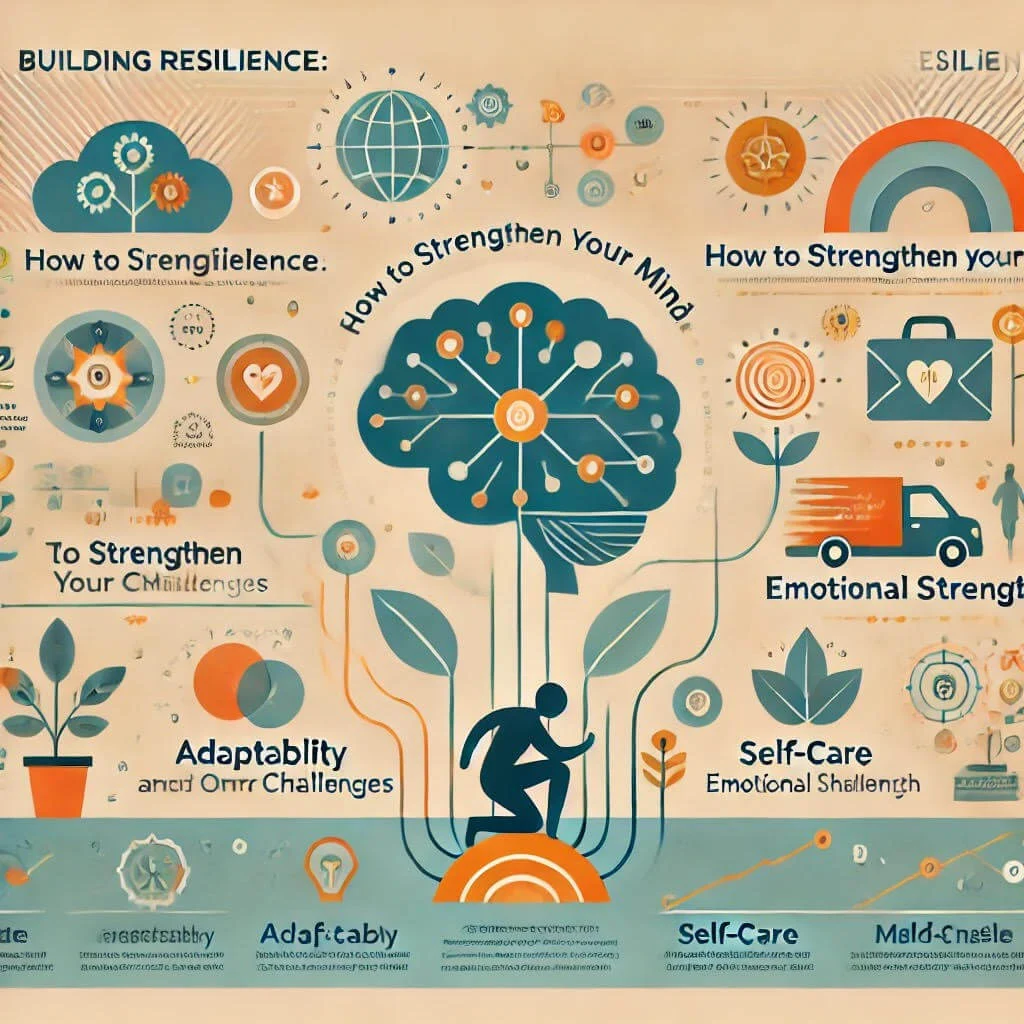

Introduction: Struggling With Self-Doubt? You’re Not Alone.
Do you feel stuck replaying past mistakes, overwhelmed by your to-do list, or battling negative self-talk? If so, you’re not alone. In today’s fast-paced and demanding world, many of us face self-doubt, stress, and perfectionism, struggling to keep up with expectations—both our own and those imposed by society. But here’s the good news: resilience is a skill you can build, and it’s never too late to start. More importantly, you don’t have to do it alone.
Resilience is not just about “bouncing back”—it’s about learning how to move forward, even when life gets uncomfortable or uncertain. Dr. Brené Brown, a leading researcher on vulnerability and courage, reminds us that resilience isn’t about avoiding discomfort. Instead, it’s about learning how to navigate it, to sit with it, and to grow from it. This is an essential skill in every aspect of life, from personal relationships to professional challenges.
That’s where Mind Circuit comes in. By offering tools for mindfulness, self-compassion, and emotional awareness, Mind Circuit enables you to reframe your thinking, manage negative self-talk, and take control of your mental well-being. These tools aren’t just theoretical—they have real-life importance. Imagine being able to approach your workday with clarity instead of stress, to handle setbacks with confidence rather than self-criticism, and to build stronger, more authentic connections with others because you feel grounded in yourself.
Whether you’re navigating a career change, managing family responsibilities, or just trying to keep up with daily life, resilience is a skill that can transform how you meet challenges. With Mind Circuit, you gain the resources and support needed to overcome self-doubt, manage stress, and truly thrive—not just survive—in a busy world.
Here’s how Mind Circuit helps you rewrite your inner story and cultivate resilience.
Step 1: Overcome Negative Self-Talk and Build Self-Compassion
Negative self-talk can hold you back, keeping you stuck in cycles like:
These thoughts trigger stress and make it harder to take positive action. The solution? Self-compassion. Research shows that self-compassion reduces stress and helps you build emotional resilience (Neff et al., 2007).
📲 How Mind Circuit Helps:
💡 Quick Tip: Next time you catch yourself in a shame spiral, try a guided affirmation in the Mind Circuit app, such as:
✨ “I am worthy, even when I’m struggling.”
Step 2: Practice Mindfulness to Navigate Discomfort
Mindfulness helps you stay present during challenging moments instead of avoiding or numbing your emotions. By practicing mindfulness, you can reduce emotional reactivity, calm anxiety, and regain control over your responses (Garland et al., 2010).
📲 How Mind Circuit Helps:
💡 Quick Tip: When overwhelmed, take three deep breaths and remind yourself:
✨ “Discomfort is temporary, but growth is permanent.”
Step 3: Let Go of Perfectionism and Embrace Progress
Perfectionism often leads to procrastination, burnout, and low self-worth. Instead of striving for impossible standards, focus on progress over perfection. Studies show this shift reduces anxiety and improves self-esteem (Flett et al., 2016).
📲 How Mind Circuit Helps:
💡 Quick Tip: Instead of asking, “Was it perfect?” ask yourself:
✨ “Did I show up authentically?”
Step 4: Build Resilience Through Small Daily Actions
Resilience isn’t built overnight—it’s developed through intentional daily practices. By checking in with yourself and creating space for self-growth, you can strengthen your mental and emotional well-being.
📲 How Mind Circuit Helps:
💡 Quick Tip: Set a daily “Mind Circuit Moment” to reflect and recharge, even if it’s just one minute.
Final Thoughts: You Are Already Enough
Resilience, confidence, and self-worth aren’t about being perfect—they’re about showing up for yourself every day, even when it’s hard. It’s about embracing your flaws, learning from your mistakes, and continuing to move forward, no matter the obstacles in your path. Building these qualities takes time and effort, and it’s okay to seek support along the way. Remember, you don’t have to do it alone—lean on friends, family, mentors, or anyone who believes in you. Every step you take toward valuing yourself and your journey is a step toward a stronger, more confident you.
📲 Download Mind Circuit today to start building self-compassion, mindfulness, and courage. Take the first step toward overcoming self-doubt and thriving in your daily life.
✨ Because you are already enough, exactly as you are. ✨
Sources